Professional Roofer Giving Top-Quality Roofing Solutions
Appointing a professional roofer constitutes a strategic decision for property dwellers seeking superior roof services. These practitioners not only guarantee compliance with local construction guidelines but also provide access to superior materials. Their competence to identify and address foreseeable concerns early can save considerable resources and time. Understanding the diverse roof alternatives at hand and their benefits can meaningfully improve this process. What factors should property owners consider when selecting the fitting professional for their circumstances?
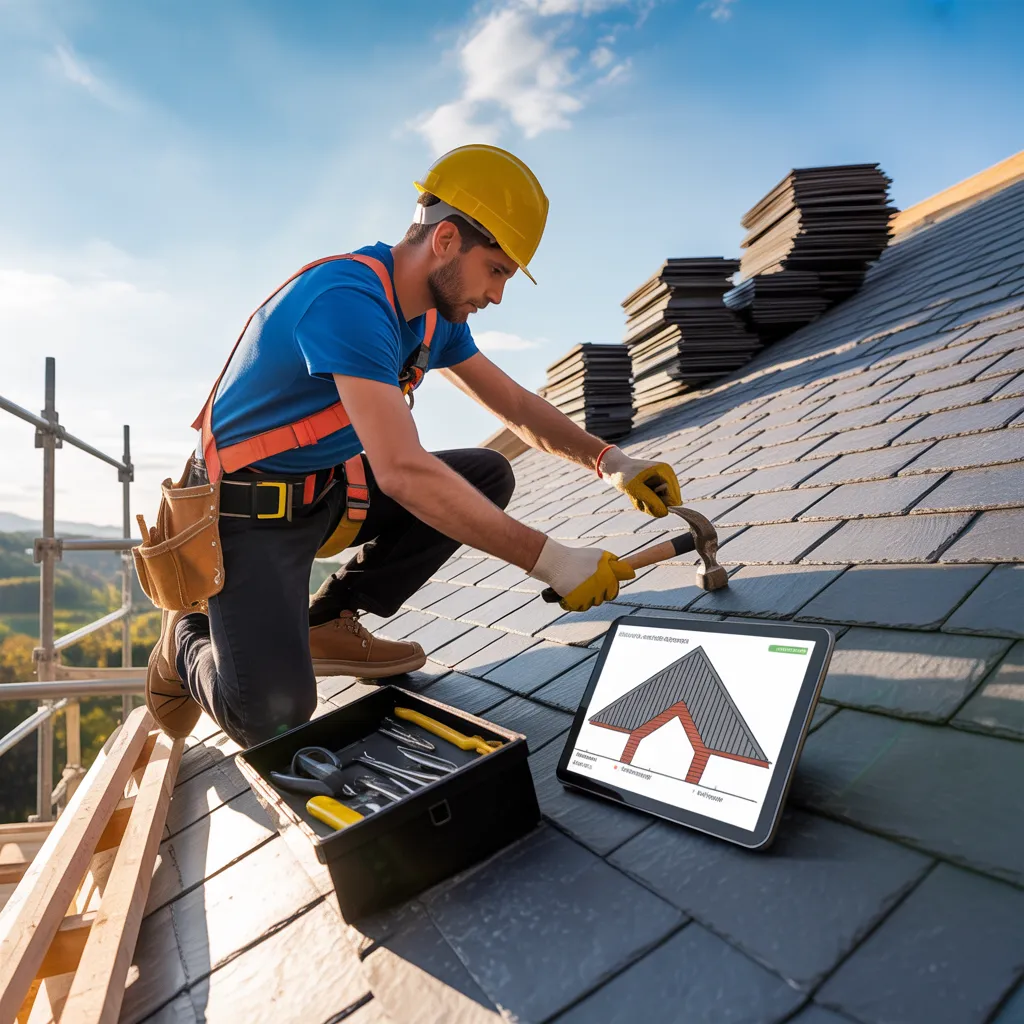
Reasons to Hire a Qualified Roofer
When assessing a roofing project, hiring a professional roofer ensures both superior craftsmanship and safety. Professional roofing experts possess the required education and expertise to manage multiple roof complications effectively. Their expertise allows them to spot emerging problems before they escalate, ensuring extended durability. Moreover, they understand in local building codes and regulations, which lowers the risk of legal complications.
In addition, expert roof contractors have the availability of premium-grade materials that may not be obtainable by the average homeowner, boosting the general performance of the roofing system. They also provide protective guarantees that can offer peace of mind, safeguarding the financial stake made in the roof work. Crucially, safety is essential; professional roofers are supplied with the appropriate equipment and safety gear to execute their work without risking damage. To conclude, retaining a skilled roof expert is a prudent choice for reaching a trustworthy and safe roof answer.
An Overview to Widely-Used Roofing Materials and Their Benefits
A broad range of roofing materials exist, each presenting different advantages appropriate for multiple requirements and preferences. Asphalt shingles rank among the most popular because of their affordability, straightforward installation, and assortment of colors. Metal roofing, recognized for its durability and resistance to extreme weather, furthermore bounces heat, making it economical. Slate tiles provide a enduring aesthetic and exceptional longevity, while clay tiles provide outstanding insulation and can withstand harsh climates.
For those concerned with eco-friendly options, rubber roofing is rising in popularity; it replicates the visual appeal comprehensive article of expensive products and is constructed from recycled materials. Wood shakes give a authentic, charming feel but require increased maintenance. In essence, synthetic roofing materials unite the greatest aspects of established materials, ensuring adaptability and resilience. Each material delivers distinct benefits, ensuring it's important for homeowners to evaluate their priorities and work with specialists when picking the most suitable roofing solution.
Frequent Roof Troubles and How Experts Fix Them
Common roof issues, such as seepage and water damage, can result in significant foundation damage if not resolved promptly. Additionally, missing or damaged shingles undermine the roof's durability and leave the home to further risks. Professionals use various techniques to pinpoint and address these problems, providing enduring safeguard and comfort for homeowners.
Leaks and Water Harm
Leaks and water damage create major difficulties for homeowners, often resulting in expensive restoration and structural concerns. These issues typically arise from a range of causes, including aging materials, improper installation, or even extreme atmospheric events. Water infiltration can compromise insulation, encourage mold growth, and weaken structural integrity. Professional roofers utilize modern methods to locate and fix leaks effectively. They perform comprehensive evaluations to pinpoint weak spots, employing tools such as moisture meters and infrared cameras. Once identified, they apply targeted solutions, which may include sealing, flashing replacement, or, in severe cases, partial roof replacement. By addressing leaks promptly, professionals help homeowners mitigate damage, ensuring sustained safeguarding and peace of mind.
Lost or Damaged Shingles
Roofing problems often manifest through absent or deteriorated shingles, which can undermine a home's protective barrier. These flaws leave the underlying structure to elements, potentially leading to leaks and additional damage. Professionals typically conduct thorough inspections to determine the severity of the problem. They might suggest substituting single shingles or whole areas, based on the severity. Employing high-quality materials, experienced roofers ensure proper installation to prevent future issues. Additionally, they evaluate the roof's overall condition to tackle any underlying problems, such as inadequate airflow or structural deficiencies. Routine upkeep and prompt fixes are essential in preserving a roof's structural soundness, ultimately safeguarding the home from water penetration and other environmental hazards.
Finding the Top Roof Choice for Your Home
If you are picking the ideal roofing option for a home, it is essential to evaluate your specific roofing requirements initially. Comprehending the selection of roofing materials on the market and their respective costs can influence the decision-making process greatly. Budget considerations also serve an important function in guaranteeing that the selected option meets both visual and practical requirements.
Evaluating Your Roofing Needs
How does one determine the most appropriate roofing alternative for their home? Evaluating roofing needs begins with examining the home's architectural style and local climate. Homeowners should take into account aspects including energy efficiency, durability, and maintenance requirements. A comprehensive inspection of the existing roof can identify potential issues that may influence the choice of materials. Additionally, cost considerations play a crucial role; evaluating the long-term outlays versus initial investment is essential. Consulting with a roofing expert can provide important information and suggestions tailored to individual requirements. Ultimately, the decision should weigh design tastes with functional requirements, confirming the selected roofing solution improves the home’s value while providing extended safeguard.
Material Types Breakdown
Selecting the appropriate roof options represents a essential element of the complete roofing process. Homeowners should assess different options, all featuring individual benefits and limitations. Asphalt shingles remain popular due to their low cost and straightforward installation, whereas metal roofing offers resilience and thermal performance. Clay and concrete tiles offer an sophisticated, enduring choice, particularly well-suited for warm climates. Wood shakes deliver a natural character yet necessitate additional attention. Synthetic options, including rubber or plastic, imitate classic designs while delivering extended durability. Furthermore, green considerations may inspire certain homeowners to discover eco-friendly solutions such as green roofs or recycled content. In conclusion, determining the optimal roofing material is based on the home's aesthetic, climate conditions, and individual tastes.
Budget Considerations Detailed
Budgeting for a roofing project usually requires thorough assessment of several elements to ensure homeowners choose the most fitting option for their needs. First, material selection significantly affects both upfront expenses and long-term durability. Asphalt shingles may be affordable, while metal or tile options might offer greater longevity but at a premium cost. Additionally, labor costs can vary based on the roofing contractor’s expertise and the project’s complexity. Homeowners should also account for potential hidden expenses, such as the need for structural repairs or permits. Finally, taking into account long-term savings through energy efficiency and warranties will help in choosing wisely that balances upfront investment with future benefits.
What You Should Understand About the Roofing Procedure
Grasping how the roofing process can greatly enhance a homeowner's experience when undertaking a roofing project. In the beginning, property owners should anticipate a detailed inspection of the current roofing structure to determine its quality and the necessary repairs or replacements. Following the assessment, a complete proposal will enumerate the scope of work, building supplies, and timeframe.
When the project commences, homeowners can expect an organized arrangement with safety precautions in place to preserve their property. The roofing crew will remove old materials, inspect the underlying structure, and fit new roofing systems according to industry standards. Regular communication is essential, as homeowners should expect progress reports on work progress and any unforeseen issues.
In the final stage, the job wraps up with a thorough review to ensure quality and compliance with specifications. Homeowners should also receive maintenance tips to prolong the durability of their fresh roof, reinforcing the importance of understanding the entire roof workflow.
Why Regular Roof Check-Ups Are Important
Although many property owners may disregard roof maintenance, routine inspections are important for preserving the condition and lifespan of a roof. These assessments help identify small problems before they become costly maintenance. By catching problems such as leaks, loose shingles, or moss growth in time, homeowners can conserve both time and money.
Additionally, periodic check-ups confirm that the roof complies with local building codes and regulations, which can prevent future complications during property transactions. Seasonal changes can deteriorate roofing materials, making it vital to observe wear and tear.
Moreover, a properly upkeep roof improves the overall visual attractiveness of a home and contributes to its market value. Engaging in regular check-ups not only maintains the structural integrity of the property but also provides peace of mind for homeowners. Ultimately, prioritizing roof check-ups is a preventative strategy to home maintenance that yields benefits in the long run.
Finding and Recruiting a Qualified Roofer in Your Area
After recognizing the importance of routine roof inspections, homeowners often search for skilled professionals for upkeep and restoration. Locating a qualified roofer in their area can be intimidating; however, a few key strategies can streamline the process.
To start, property owners should obtain referrals from acquaintances, relatives, or neighbors who have recently had roofing work done. Online reviews and ratings on services such as Google and Yelp can also supply helpful information into a roofer's reputation.
Once a list of potential candidates is created, property owners should verify credentials, comprising certifications and coverage. Collecting numerous bids allows them to review costs and services rendered.
Also, inquiring about warranties and guarantees can help assure long-lasting results. By adhering to these guidelines, property owners can confidently hire a professional roofer who satisfies their specific needs, guaranteeing their roofs stay in peak condition for years to come.
Frequently Asked Inquiries
What Requirements Should I Look for in a Skilled Roofer?
If you're locating a professional roofer, you should concentrate on attributes including correct licensure, comprehensive insurance, extensive experience, positive customer reviews, and adherence to industry standards. These elements guarantee quality work and defense from potential liabilities.
What is the Duration for a Common Roofing Project to Be Completed?
A regular roofing task ordinarily takes between one to three days, subject to the size and intricacy of the roof, climate factors, and the team's speed. More substantial or more intricate roofs may require more days.
Can Roofing Warranties Be Transferred When I Dispose of My Home?
Roof warranties are usually transferable, but distinct conditions are necessary. Residents should study the guarantee documentation for specifics on transfer capabilities, as some manufacturers require notification and may have time limits for the transfer completion.
What may I Do if I Detect Roof Injury After a Storm?
If roof damage is suspected after a storm, the homeowner should examine the roof for visible issues, record any harm, and contact a professional for an evaluation to identify necessary repairs and prevent further issues.
What Can I Do to Keep My Roof Between Qualified Evaluations?
Consistently inspect the roof for debris, identify damaged shingles, and maintain gutters to stop water buildup. Quickly tackle small issues and watch for signs of leaks or wear between professional inspections.